
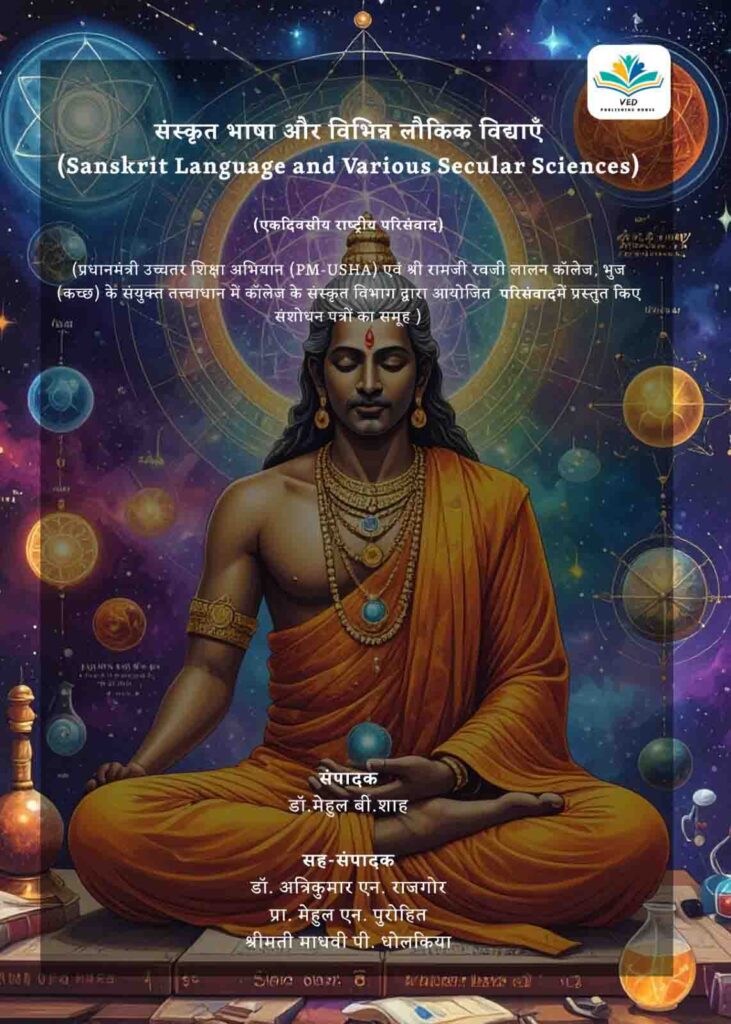
Rogan painting from Madhapar, Kutch, reveals a 1,550-year-old link between Sanskrit linguistics and ancient Indian science like chemistry and aesthetics. Book Sanskrit Language and Various Secular Sciences (Vol. 3) by Asmita Soni, pages 15-19, traces this hidden history from Bihar’s origins through Silk Road migrations to Gujarat’s GI-tagged Kutch Rogan craft.
Sanskrit Roots of Rogan Painting
“Rogan” stems from Sanskrit “Rangan,” meaning coloured application or oil work. Pages 15 introduces laukik Sanskrit—practical language beyond Vedic texts—where phonetics shaped pigment terminology like “Taila” for oil. This mirrors Rogan’s unique boiling process, echoing 5th-6th century Bamiyan cave oil paintings.
- Semantic ties: Sanskrit grammar influenced symmetrical motifs of flora, fauna, elephants.
- Migration path: Bihar to Kutch via Buddhist disciples during Buddhist era.

Indian Science in Rogan Art Technique (Pages 16-17)
Secular sciences (laukik vidya)—rasayana (alchemy), chitrakala (painting)—detail castor oil boiled for hours into glossy paste with natural colour. Pages 16-17 explain fabric bonding: paint via wooden stylus trace on canvas, after that fold fabric, transferring perfect mirror images.
Core steps:
- Boil castor oil 6 to 7 hours, after cool, mix binding agent and natural colour and mix with stone. after mix well Rogan paste put in water.
- Dries permanently on cotton, unlike water-based dyes.
Kutch Migration & Preservation (Pages 18-19)
Pages 18-19 connect Rogan to Hindu nomads (Bharwad, Rabari) who adapted Buddhist influences into oral traditions. Preserved by Madhapar’s artisan families, it earned GI tag, for eco-friendly, authenticity.
| Phase | Sanskrit-Indian Science Link | Kutch Evolution |
|---|---|---|
| 5th Century Bihar | Laukik dye grammar | Proto-oil pastes |
| Silk Road Bamiyan | Rasayana drying tech | Mirror innovation |
| Kutch | Pigment chemistry | Fabric mastery |
Madhapar’s Modern Revival
Ashish Kansara leads resurgence, teaching Sanskrit-rooted techniques to youth via rogan art kutch trust Rogan now graces sarees, lehengas, wall art with motifs symbolizing prosperity—peacocks, lotuses, parades.
Preserve This Ancient Legacy
Soni’s analysis proves Rogan as scientific heritage amid fading crafts. From Sanskrit pages to global markets, it blends 5th-century wisdom with 21st-century appeal.
Shop GI-tagged Rogan at roganart.com—support Rogan painting artisans.
Reference:
Soni, Asmita. “Explores the Connection to the Hidden History of Centuries with the Rogan Painting.” In Sanskrit Language and Various Secular Sciences (Vol. 3). Bhuj: Ved Prakashan House, 2026, pp. 15–19. ISBN 978-93-47801-50-1.